
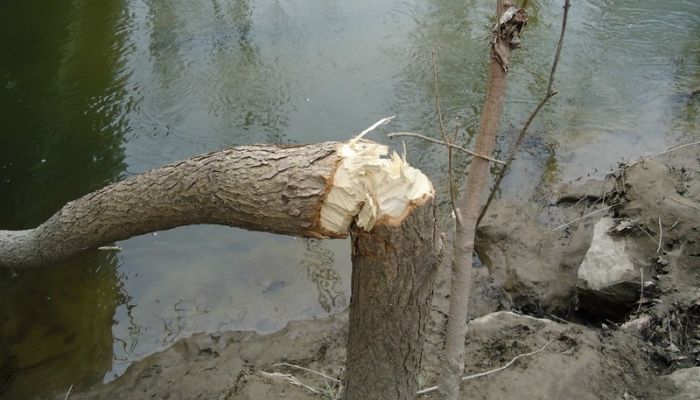
Are you seeing signs of Beaver?
Until the mid-1900s, most Michiganders had never seen a beaver-inhabited stream. Once ubiquitous on the landscape, beavers were wiped out by the fur trade in Michigan’s lower peninsula by the 1800s. In a testament to significant water quality improvements in the Rouge River, beavers have been making a slow comeback since 2010. Beavers can have an outsized impact on the environment, especially our waterways. Yet countless studies have found that beaver activity can dramatically improve water quality by slowing water flow and settling out contaminants, create and improve wetland and wildlife habitat, and buffer droughts and floods. Many communities are even reintroducing beaver to take advantage of these benefits.
Since it has been so long since beavers swam in the Rouge, it will take some time to adjust to them. As their presence grows, we are seeking to understand their presence and impact. Neighboring watersheds like the Huron and the Clinton have already run into conflicts and we are learning from their mistakes and successes. When beavers and humans coexist, we win and the Rouge River wins.
You can help us by reporting any active beavers using our new Rouge River Beaver Activity Observation Report. All reports will remain confidential though we may contact you to gather more information. Please use the form to report newly chewed trees, new downed trees, lodges, dams and actual beaver sightings. Please take and submit photos and track locations (the form will find your location). Together we can better understand our beaver and work to coexist with them.
Categories
-
Category Name 5Short description about the category for context.