
Categories



Come one, come all to the Friends of the Rouge 2026 Spring Native Plant Sale!🌿
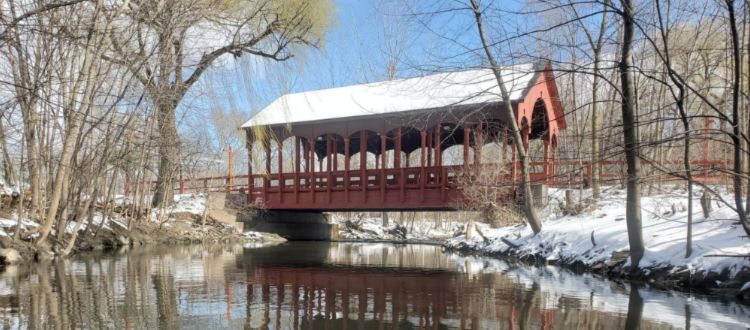
As I sit at my desk watching new snowflakes gently fall, I’m reminded that January is a time for new beginnings. T.S. Eliot said “last year’s words belong to last year’s language and next year’s words await another voice…to make an end is to make a beginning.” I think this is what is so magical about the opportunity we create for ourselves every January – the chance to leave behind what was, and to reach out for what can be.

Summer of 2024, FOTR culvert technicians Ben Walski and Jerrad Jankowski led the sampling of over 225 sites along the Lower Rouge and its tributaries where the stream crosses a road. Check out the new stream crossing dashboard, where every single site can be found with corresponding data and scoring.

As we wrap up another fantastic year of our Rain Gardens to the Rescue program, we want to share our immense gratitude and pride for everyone involved!
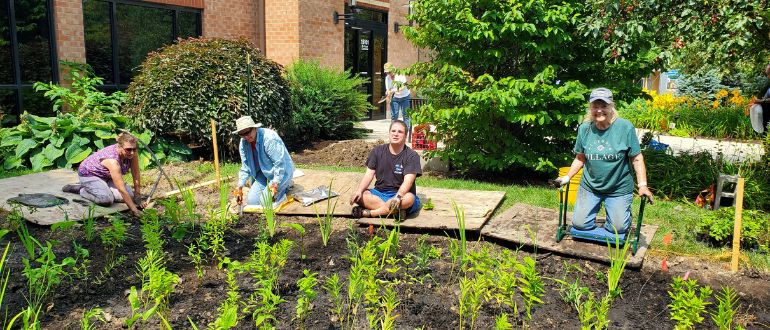
Our Friends of the Rouge Restoration team has been steadily working to install five community-scale rain gardens as part of the Rain Gardens to the Rescue (RGTTR) program, funded by National Fish and Wildlife Foundation.
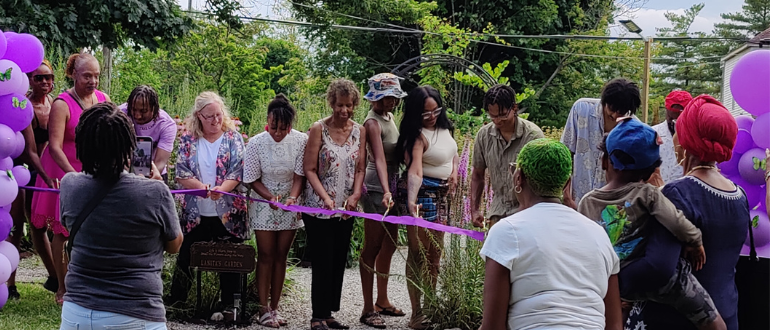
On Friday, August 2nd, the purple ribbon was cut to officially open LaNita’s Memorial Park in Detroit! The park’s design, flower selection, and location are inspired by LaNita.
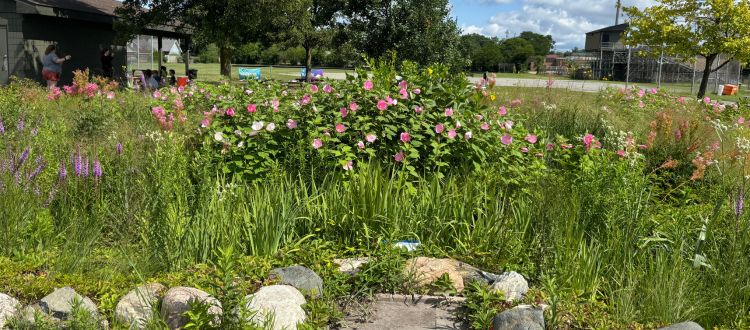
A huge thank you to everyone who came out for our recent PARC Rain Garden Spruce Up event—Picnic in the PARC!
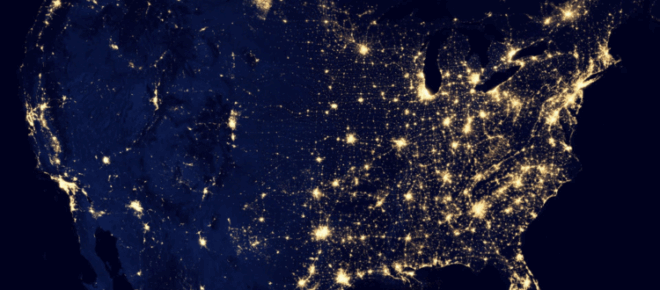
Light pollution comes in several forms, including skyglow (glowing haze over highly populated areas), light trespass (light that reaches beyond intended or needed area), and glare (light that excessively illuminates areas or objects).
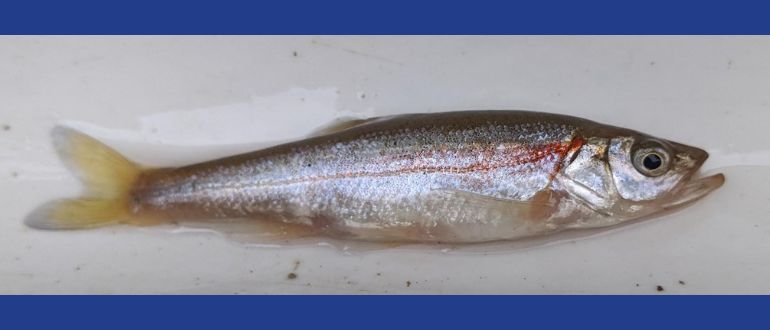
The summer Rouge River fish surveys started off with a great surprise. While measuring and identifying fish on the Johnson Creek, Bob Muller noticed a minnow with a very large mouth and red stripe. It turned out to be a redside dace, a species found in very few watersheds in the state, endangered in Michigan, and declining in the Rouge River watershed.
On June 22, Northville resident and Friend Jeff Snyder was alarmed to see a boom on the river downstream of […]